
Getting a dead car out of an alley garage
How do you move a car that won't start out of a garage?
The safest way to move a dead car out of a garage is usually not to move it yourself. Cash For Junk Cars Westside Chicago LLC tows non-running cars out of West Side alley garages for free, tight doorways included. If you must push it, get it into neutral first and have a second person steer.
By Cash For Junk Cars Westside Chicago LLC. Last updated .
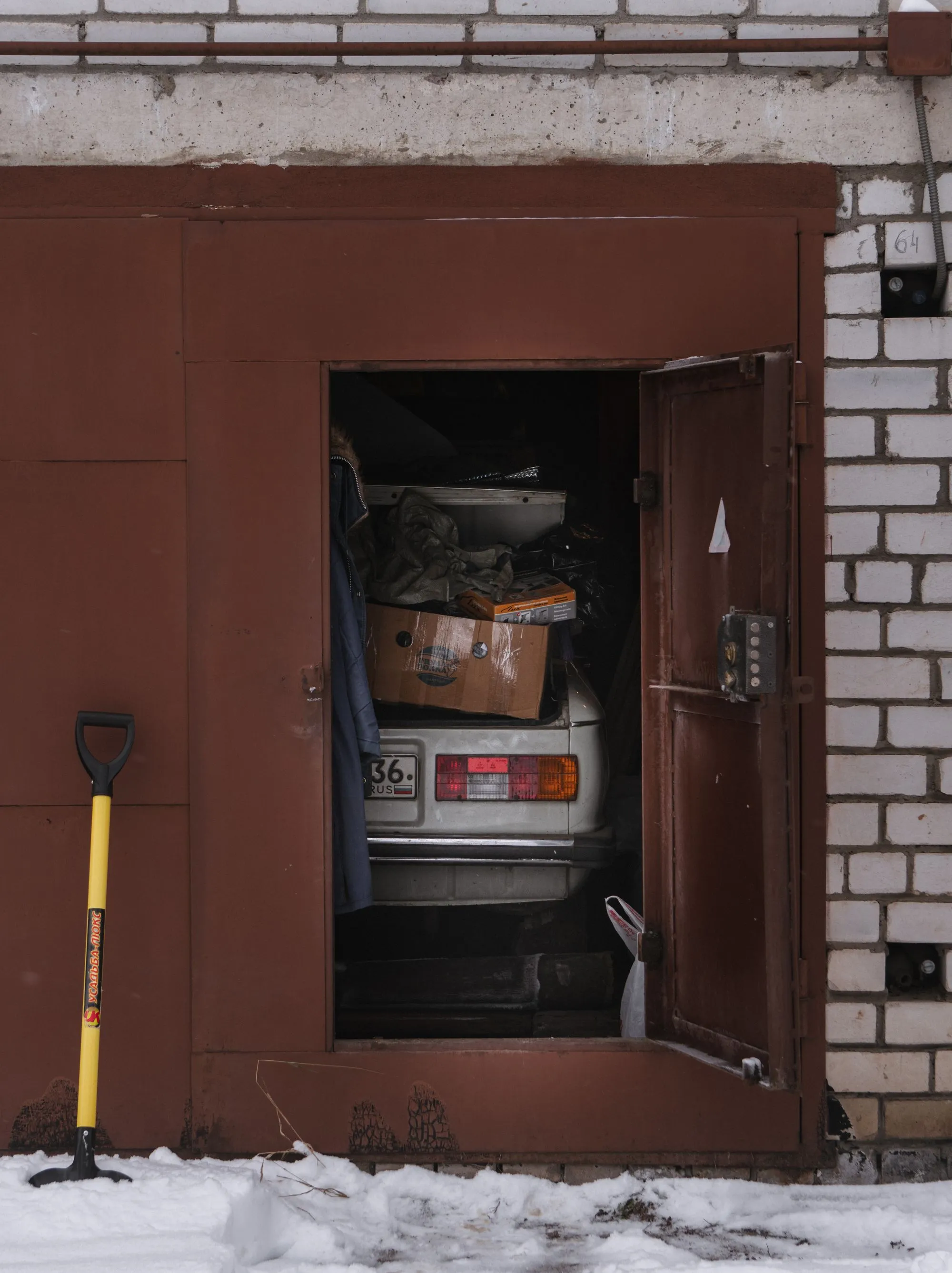
The car died in the garage. Or it was parked there years ago, and now the garage needs to be a garage again. Either way, the car is nose-in, the alley is narrow, and nobody wants to be the one who scrapes the door frame.
Short answer first: for a junk car, you usually don’t need to move it at all. If you’re selling it to a junk buyer, the tow comes to the car, and pulling a dead car out of a tight spot is part of the job. The rest of this guide is for when you want to understand what that involves, or you really do need the car out before the truck comes.
First decide: move it, or leave it for the tow
Leave it where it is if any of these are true:
- The car won’t roll freely when it’s in neutral.
- Tires are flat, or you can’t tell if the brakes have seized.
- The steering wheel is locked and the key is missing.
- There’s less than a foot or so between the car and either side of the door frame.
- The garage floor slopes toward the alley, so the car would roll out faster than you can stop it.
Move it yourself only if the car rolls easily, steers, and you have two people: one steering and braking, one pushing.
Getting a dead car into neutral
An automatic car that won’t start is usually stuck in park, and park locks the transmission. Most automatics have a shift lock release: a small slot, button or cover near the shifter that lets you move the selector out of park when the brake switch can’t. Your owner’s manual will show where it is and whether the key needs to be in the ignition.
Some cars with push-button or dial shifters have a separate procedure, sometimes involving the 12-volt battery. If the battery is completely dead, those may not leave park at all without power. That’s a strong sign to leave the car to the tow.
A manual-transmission car is simpler: clutch in, shift to neutral, parking brake off when you’re ready to move.
How tow drivers handle tight garages
Drivers have a few ways to deal with a car that won’t come out on its own:
- Winching. A cable from the truck pulls the car out of the garage in a straight line. This works when the car rolls, even if it doesn’t steer.
- Wheel dollies or skates. Small wheeled platforms go under locked or flat wheels so the car can be rolled or pivoted.
- Lifting and pulling. Once the car’s end is clear of the door, the truck can lift it and drag the rest out.
Which one fits depends on what you tell us, so the call matters. Expect a few questions about the space.
Chicago alleys: what helps and what doesn’t
Chicago has about 1,900 miles of public alleys, and West Side blocks of two-flats and cottages commonly back onto one, with detached garages along the back of the lots. That’s good news for a pickup: the truck can come straight to the garage door.
A few things make the job slower:
- Garbage carts and recycling bins parked in front of the garage. Pull them aside the day of the pickup.
- A neighbor’s car parked on their apron and blocking the swing. Ask them to move it for half an hour.
- Low or sticky overhead doors. If the door only opens partway, tell us the clearance.
- Standing water. Many city alleys don’t drain into a storm sewer, so they hold water after rain. A soft, muddy apron is harder to winch across.
- Snow. In winter, shovel the apron if you can. The suburbs are stricter than the city about cars in alleys; Berwyn, for example, bars leaving any unattended vehicle in an alley, and Forest Park requires all four tires on a private apron, as our Oak Park and other suburb pages explain.
Measure before you call
Three measurements save a lot of back and forth:
- The width of the garage door opening and how much room is on each side of the car.
- The distance from the garage door to the far side of the alley.
- Which way the car faces: nose to the alley or nose to the back wall.
A phone photo of the car in the garage, taken from the alley, helps too.
If the car is in a garage because it was booted or ticketed
Some cars end up hidden in a garage because they had a boot threat or a stack of tickets. That doesn’t stop a sale, but it’s worth reading our guide on booted cars in Chicago so you know what’s still owed and to whom. And if you’re weighing whether the car is worth more pulled apart, see parts or scrap.
Our pages for Humboldt Park, West Garfield Park and Oak Park cover the alleys and parking rules there.
Questions people ask
- Can a tow truck drive into an alley to get my car?
- Usually, yes. Chicago alleys are public ways that give access to garages, and a tow truck can work from one. Tell us how wide the alley is at your garage and whether anything blocks it.
- How do I put a car in neutral when it won't start?
- Most cars with an automatic transmission have a shift lock release, a small slot or button near the gear selector that lets you move out of park with the key on or off. Your owner's manual shows where it is. Some newer cars with electronic shifters have their own procedure.
- The battery is dead and the steering is locked. Is that a problem?
- Not for a tow. A locked steering wheel means the car has to be lifted or rolled on dollies instead of steered, so mention it on the call and the driver will plan for it.
- Should I jump-start the car just to get it out?
- Only if you're sure it's safe to drive a few feet. A car that has sat for months can have seized brakes or a soft tire, and garages are a bad place to find out. If in doubt, leave it for the tow.